- info@naregonet.org |
- +256 768 348 8860
- Plot 38, Kasese-Fort Portal Road
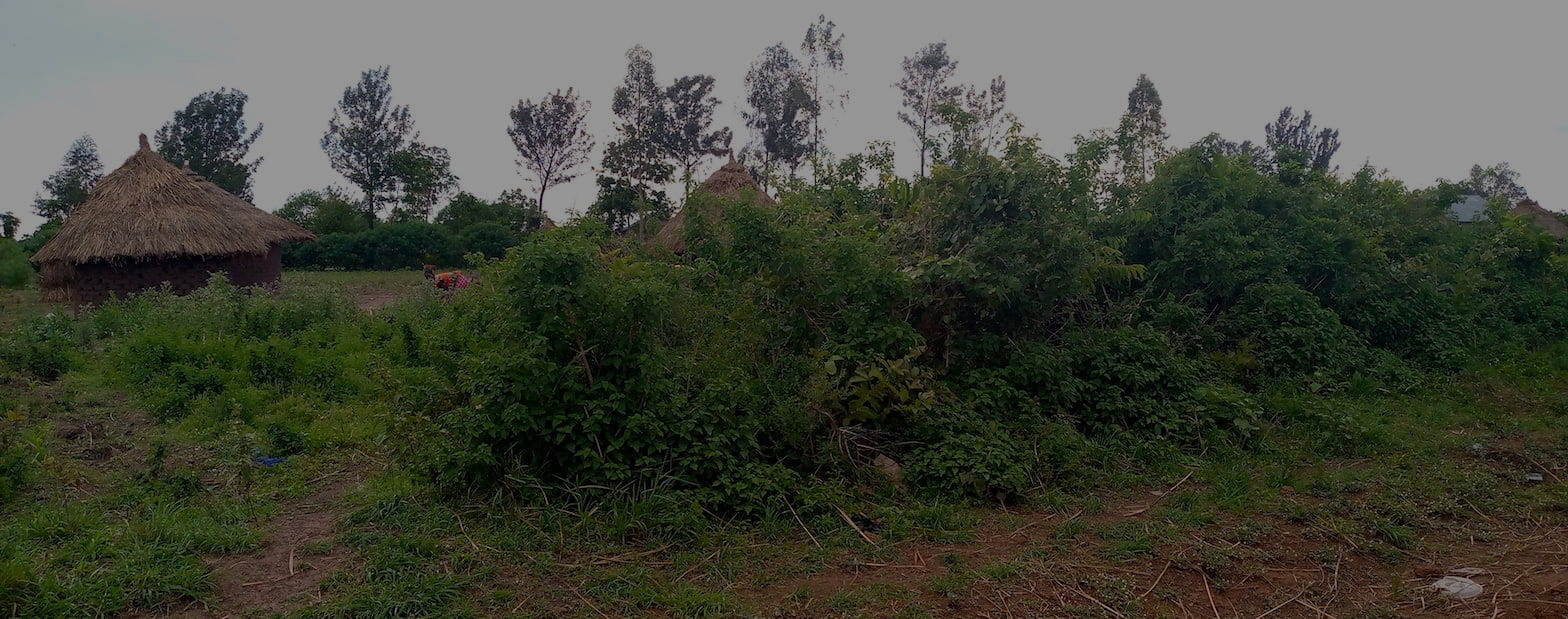
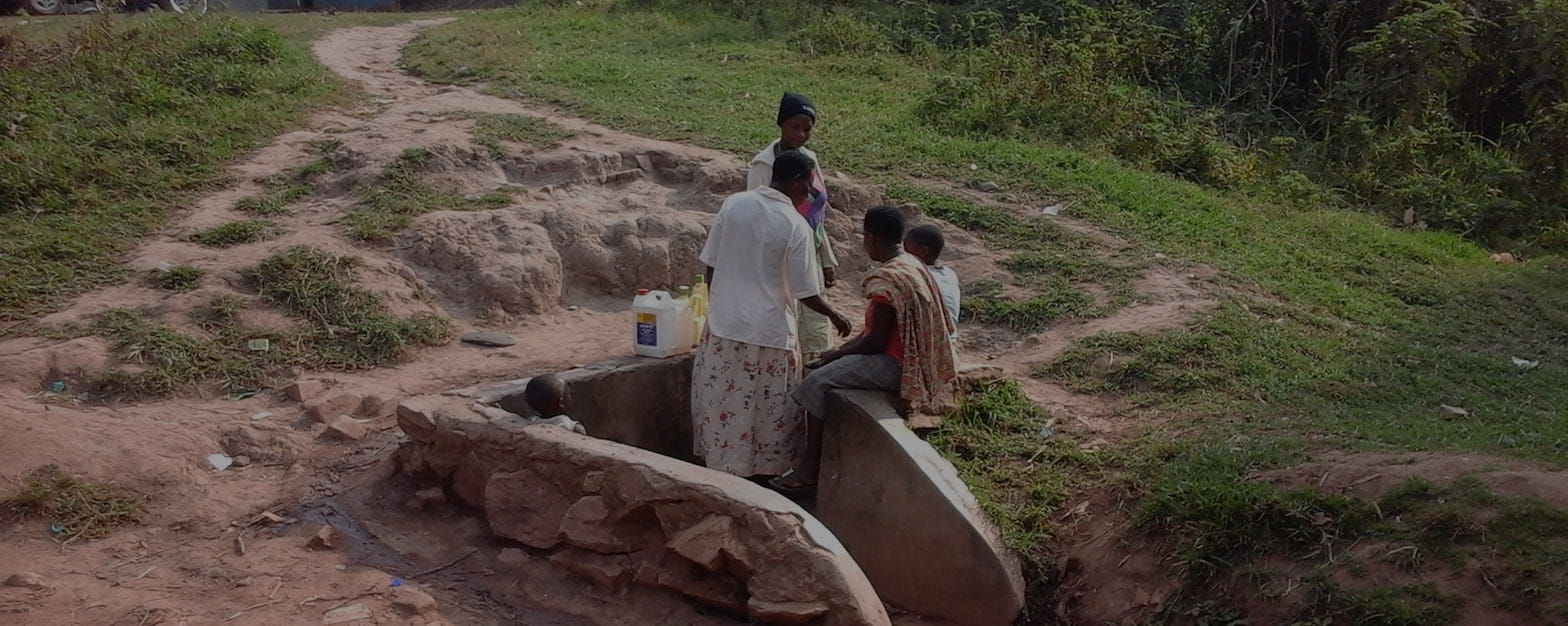
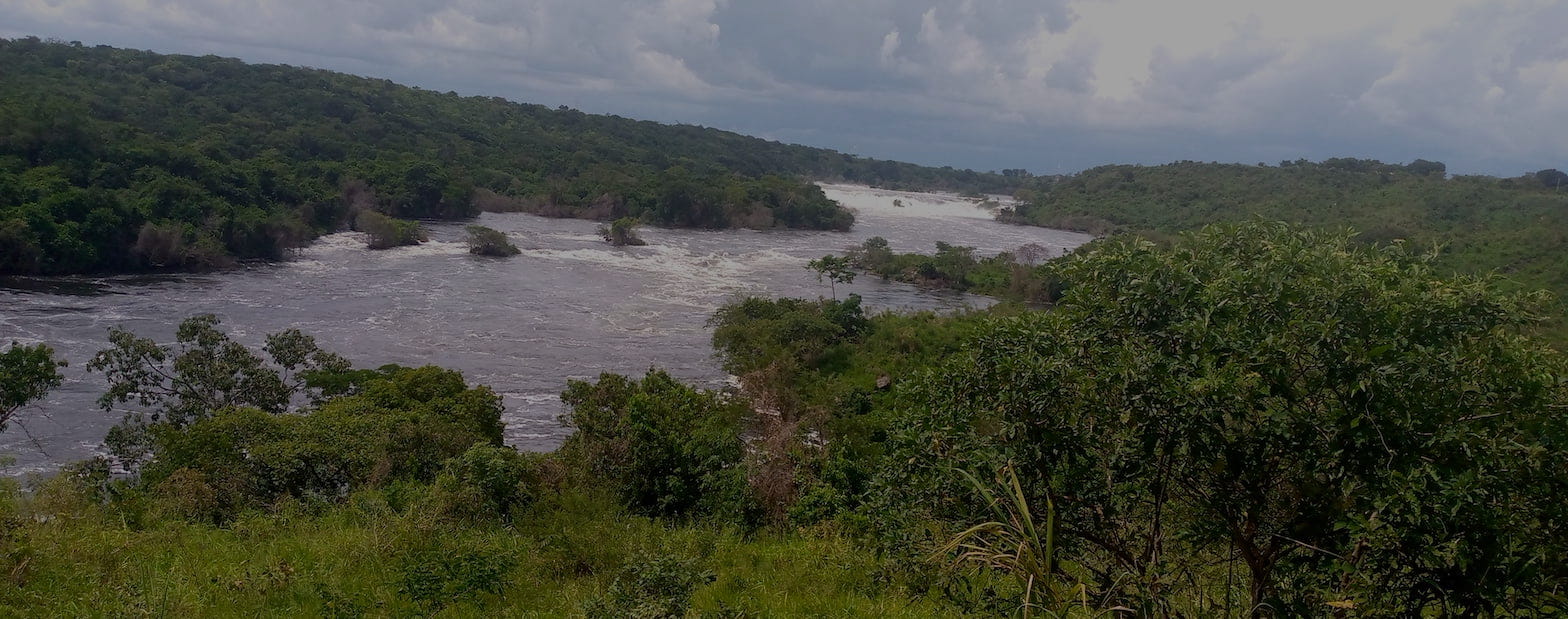
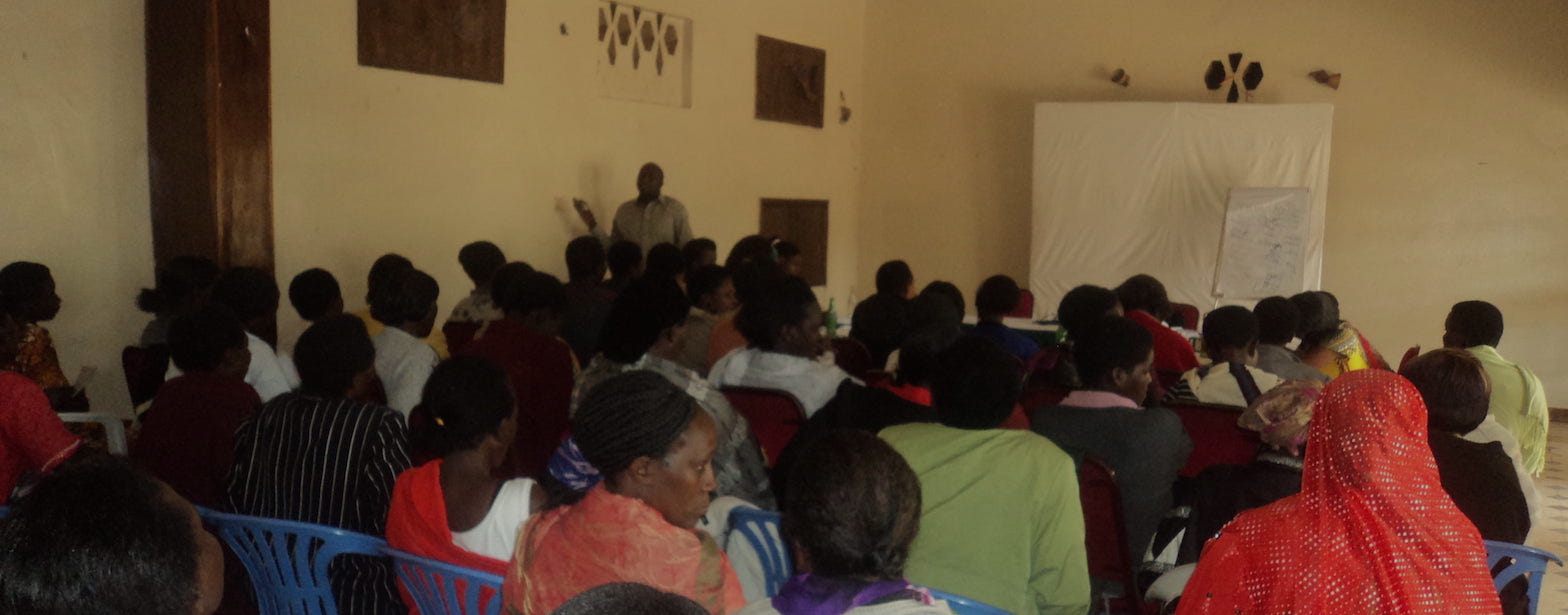
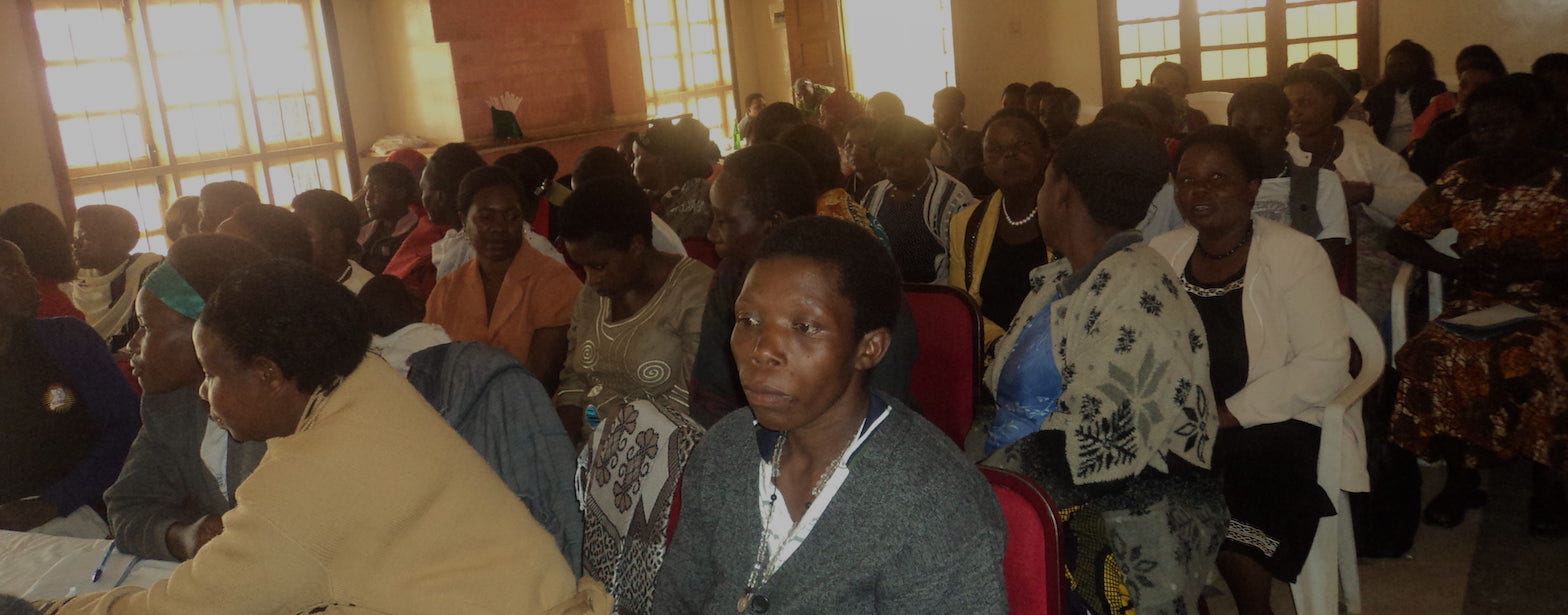
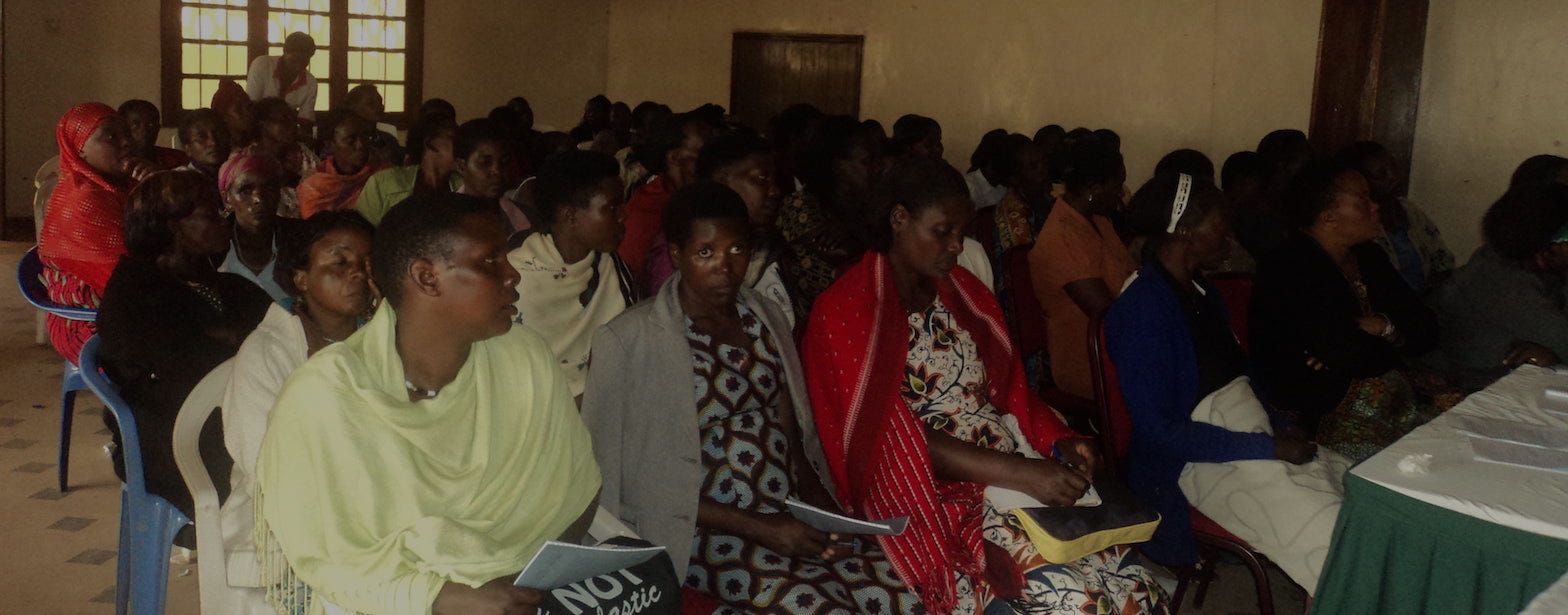
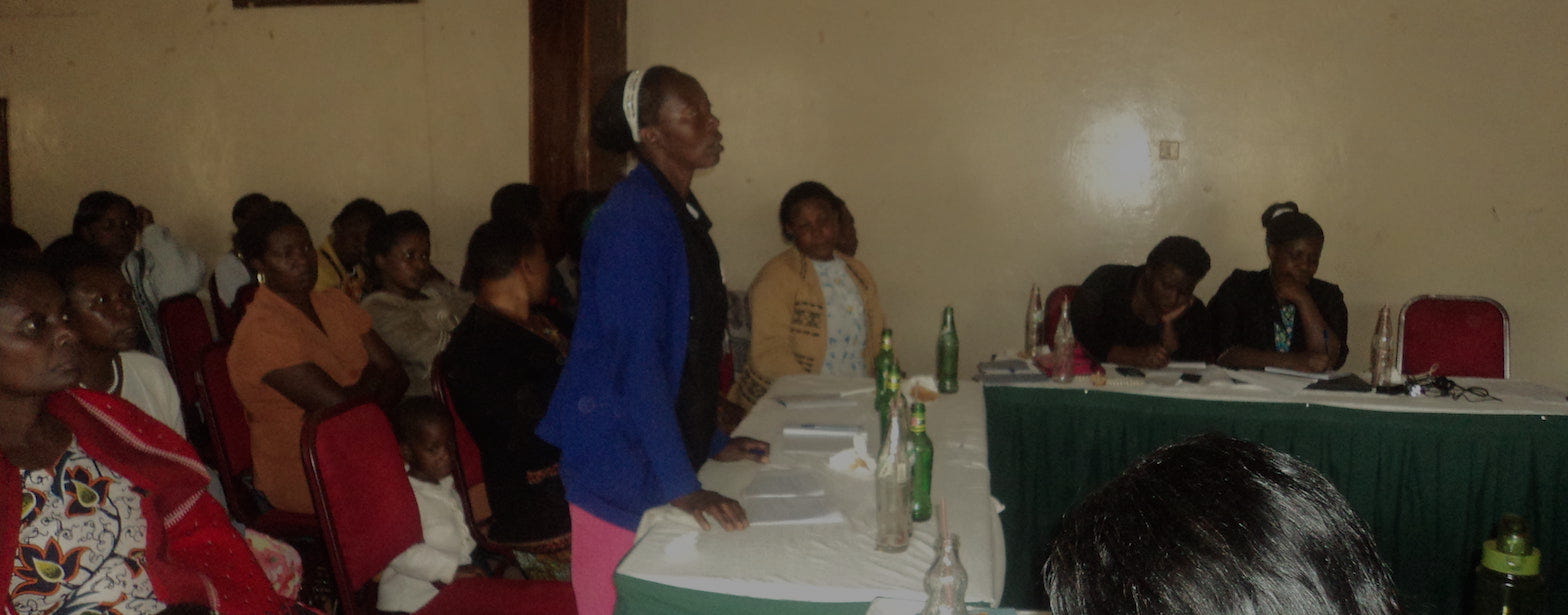
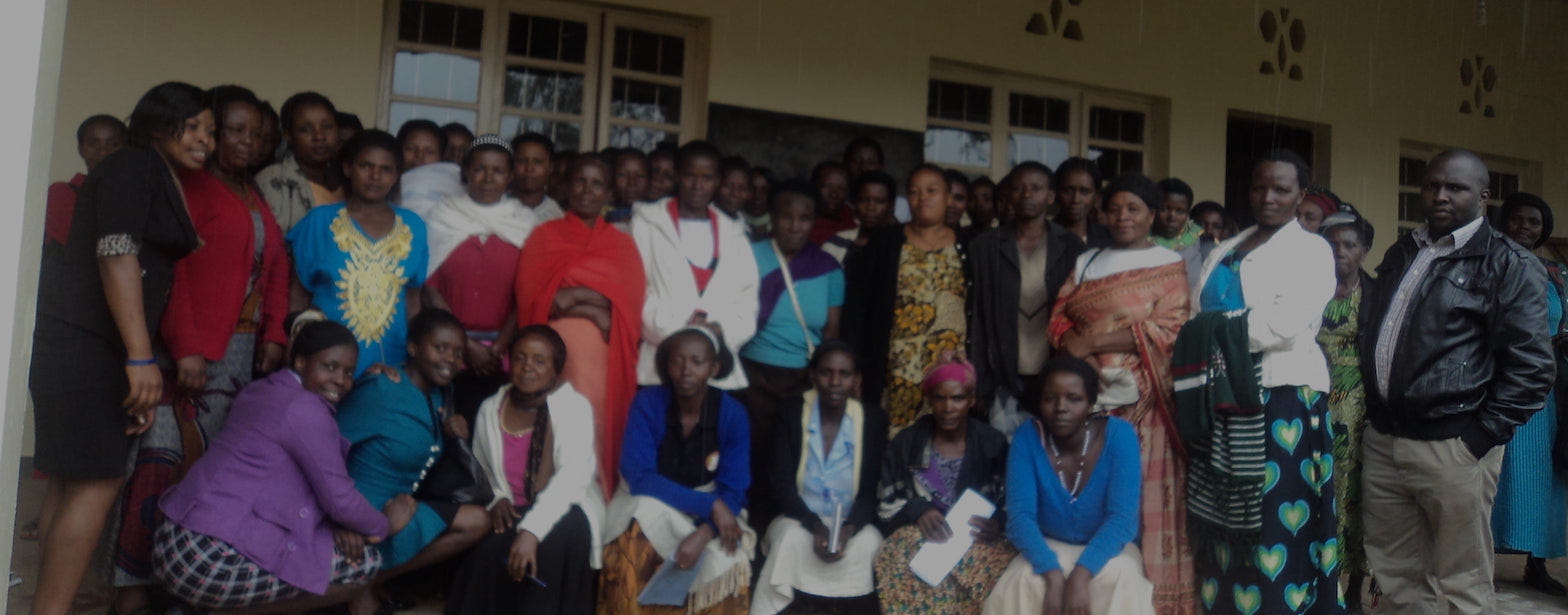
Natural Resource Governance Network (NAREGONET) is a network of women, Women’s groups and Organizations working to increase the number of women in the the management of and control of natural resources. NAREGONET was established in 2016 because lack of access to natural resources, including minerals, water and land, is often the underlying cause of many conflicts in communities around Uganda. When managed properly however, as part of conflict management and peacebuilding strategy, these same resources can also be utilized, and their benefits shared to generate sustainable livelihoods that help guarantee peace and achieve sustainable human development.
Women have the potential to play a critical role in this process, as they use and manage land and other natural resources, while meeting water, food and energy needs in households and communities. However, this use rarely translates into women being allowed to influence the distribution of natural resources or being given a decision-making role when the management of resources is discussed. At NAREGONET, we work to empower women to ensure that women have better access to, and control of, natural resources such as land, water, forests and minerals as one way of improving the chances of long-term development.
To promote Natural Resource Governance and empower women to have better access to, and control of, natural resources such as land, water, forests and minerals for long-term development.
A Society with increased number of women in the management of and control of natural resources.
To empower women and address inequality related to resource access and ownership and increase women’s pparticipation in decision-making, benefit-sharing and management of conflicts and peacebuilding processes.
1) Women’s role as managers, users and beneficiaries of natural resources is an often unexplored opportunity for increasing their contribution to development
2) Shifting gender norms in conflict-affected settings can be utilized to increase women’s participation in decision-making, and to enable them to engage in economic recovery more productively
3) Ignoring the role of women in resource management can perpetuate inequalities and grievances linked to natural resource rights, access and control, which have proven to be powerful catalysts for violence
4) Addressing issues of inequality related to resource access and ownership, participation in decision-making and benefit-sharing early on in the management of conflicts and peacebuilding process is therefore a critical condition for lasting peace and development
5) There is a complex and multidimensional relationship between gender equity and natural resource policies. That relationship involves care work, which falls disproportionately on women; the productive sphere, where there are significant inequalities in access to and control and management of natural resources; and the existence of differentiated vulnerabilities to the effects of climate change and the environmental impacts of human activity.
6) There are structural inequalities that place women at clear economic and social disadvantage: pronounced inequalities in ownership of and access to key resources such as land and water, inequalities in the quality of employment and in decision-making venues, and inequalities in the economy of time. The latter has been particularly aggravated in the current context of the COVID-19 pandemic.
7) Inequalities translate into a pattern of economic growth characterized by exclusion, since women are not as well positioned as men to take advantage of the opportunities generated by economic growth. This is evident in industries such as the extractive sector, where the benefits are mainly reaped by men, due to the predominance of male employees. Accordingly, the gender perspective must be included in job creation policies to reduce the gap and to avoid its reproduction in the new schemes for changing the energy matrix from fossil fuels to renewables, where the gender aspect can made invisible through the better environmental conditions achieved. At the same time, the impact of these activities —linked, for example, to the contamination of water sources— affects women in a differentiated way given that they are mostly in charge of care work.
8) Special attention should be paid to land control and ownership, as a result of which the economic benefits of land sales are unequally distributed, women can be insecure in their land ownership and they generally have access to smaller plots of lower quality land. This goal is covered by two different SDGs of the 2030 Agenda.
9) The impacts of climate change are expected to exacerbate the serious consequences of the environmental crisis and affect men and women differently, inasmuch as such issues as reduced water availability, loss of agricultural productivity or the emergence of new vectors of disease are especially linked to the care work carried out by women.
10) This is linked to and exacerbated by highly inequitable cultural patterns and traditional gender roles, and by a sexual division of labour that assigns greater use of women’s time to unpaid domestic work, which is largely dependent on access to and the provision of natural resources such as water and energy. Lack of access to resources such as water and electricity increases the time used for housework, especially for women and girls, and exposes them to greater vulnerability.
11) The exclusion of women from governance is also notorious, at the local, regional and national levels, in participation venues dealing with resources such as water, seas, land and forests. This leads to their exclusion from decision-making, which is something that those sectors’ development policies must address. To that end, a gender perspective must be integrated into the design and monitoring of measures for improving the governance of natural resources, especially during the pandemic; investments must be made in women’s leadership and support to their formal and informal networks.
12) Those efforts must be based on the interrelations that exist among the various SDGs, where there is an urgent need for an integral and multidimensional approach, which implies the mainstreaming of the gender perspective in all public policies related to natural resource management.
We work to ensure that women have better access to, and control of, natural resources such as land, water, forests and minerals to improve the chances of long-term peace and development. Women in Uganda are often primarily responsible for meeting the water, food and energy needs of households and communities .
There are perceived and actual gender differences in the use and management of natural resources and the challenges of integrating women into activities related to reducing emissions from deforestation and forest degradation or other natural resource management projects in Uganda.
NAREGONET is working to inspire women and women’s movements and developing strategies to increase women’s equal participation in extractives management. NAREGONET is a key player in the resource governance movement. NAREGONET is implementing actions that are playing a key role in increasing women’s participation in..
In Uganda, there are still gaps in the policies for addressing the relationships between gender and natural resources. The 2030 Agenda emphasizes the need for gender mainstreaming, with nine Sustainable Development Goals (SDGs) and a total of 29 indicators that can be broken down by sex; many of them, however, are not yet measurable (United Nations, 2015).