- info@naregonet.org |
- +256 768 348 8860
- Plot 38, Kasese-Fort Portal Road
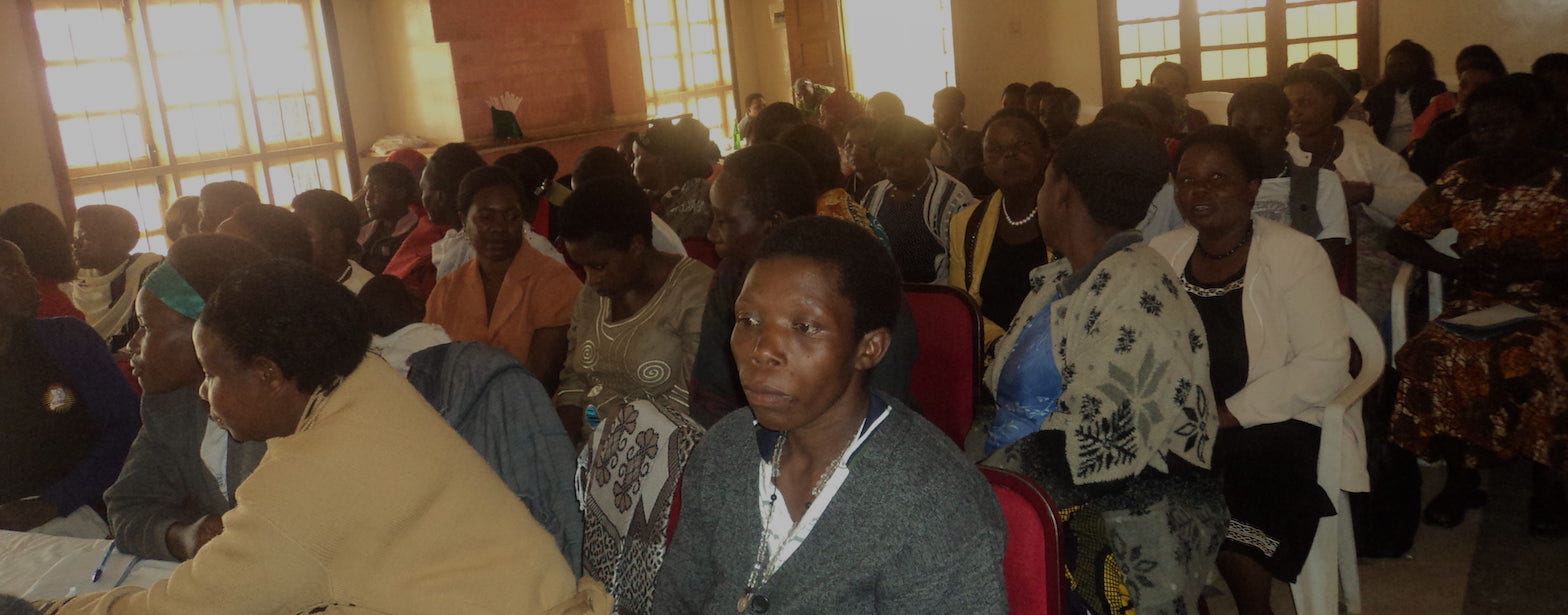
We work to ensure that women have better access to, and control of, natural resources such as land, water, forests and minerals to improve the chances of long-term peace and development. Women in Uganda are often primarily responsible for meeting the water, food and energy needs of households and communities .
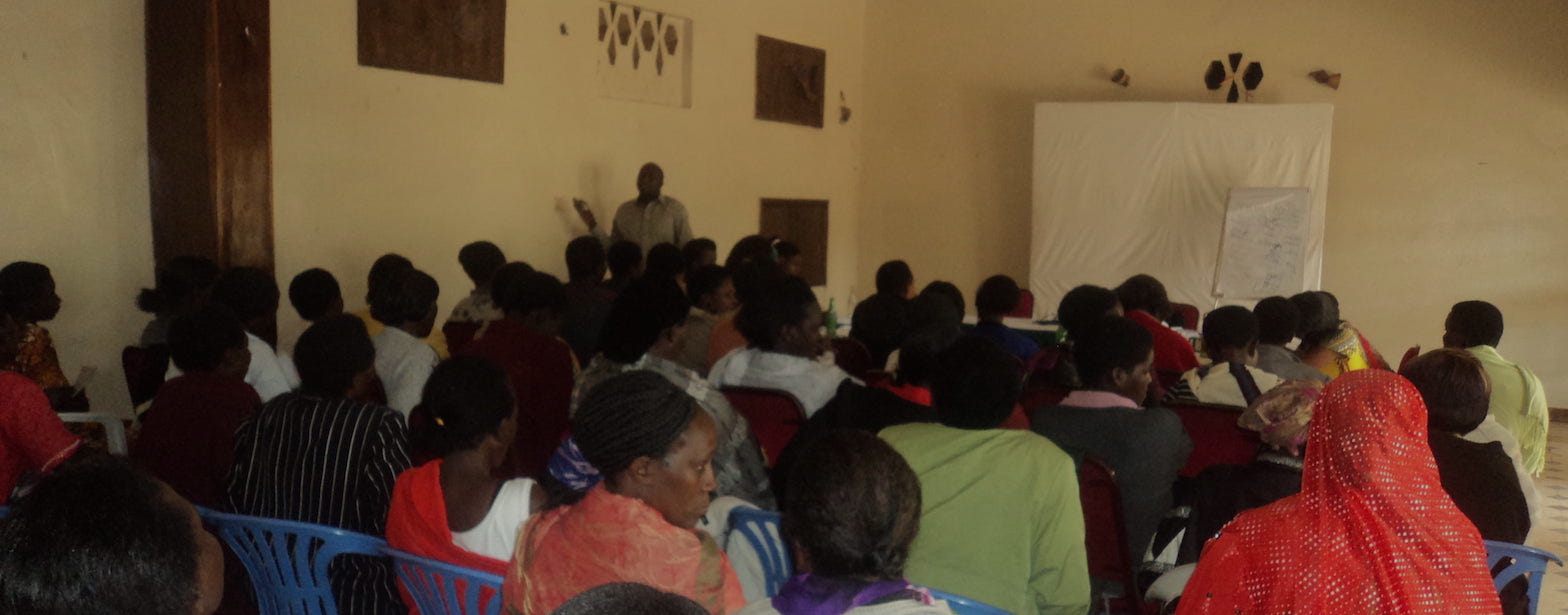
There are perceived and actual gender differences in the use and management of natural resources and the challenges of integrating women into activities related to reducing emissions from deforestation and forest degradation or other natural resource management projects in Uganda.
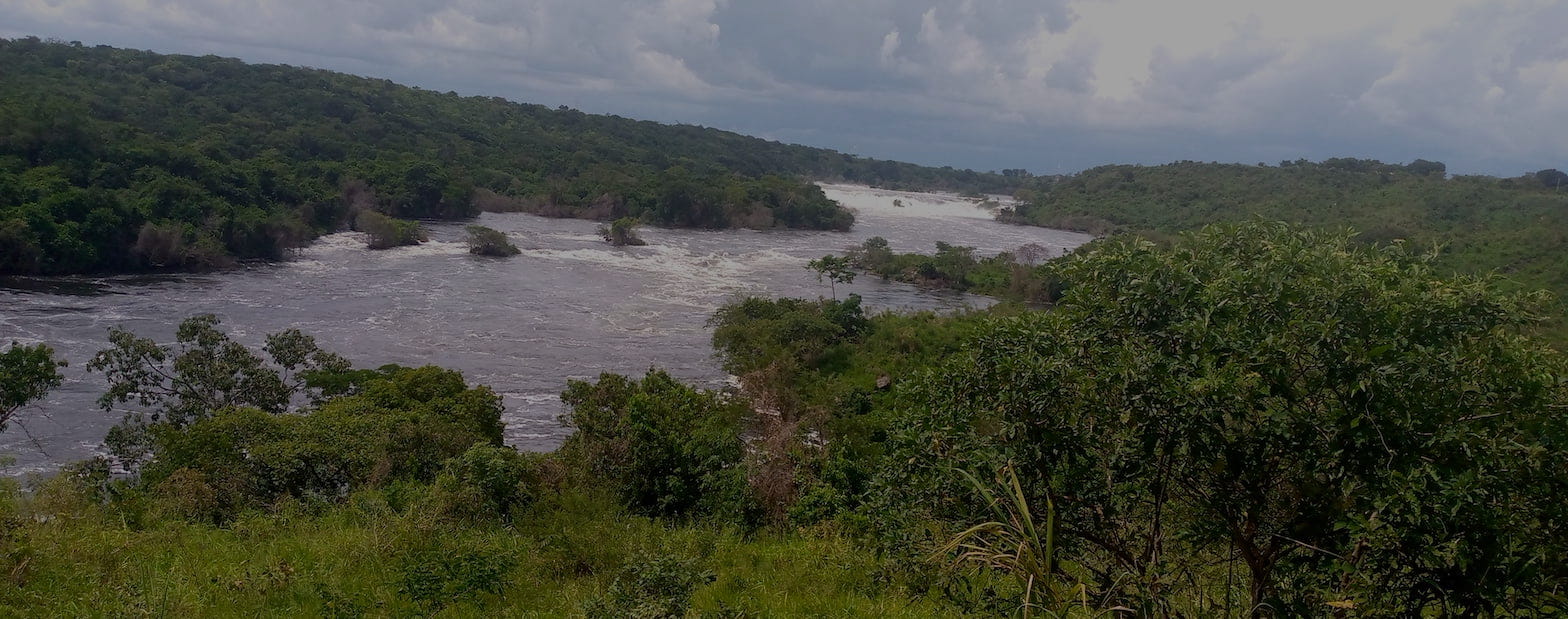
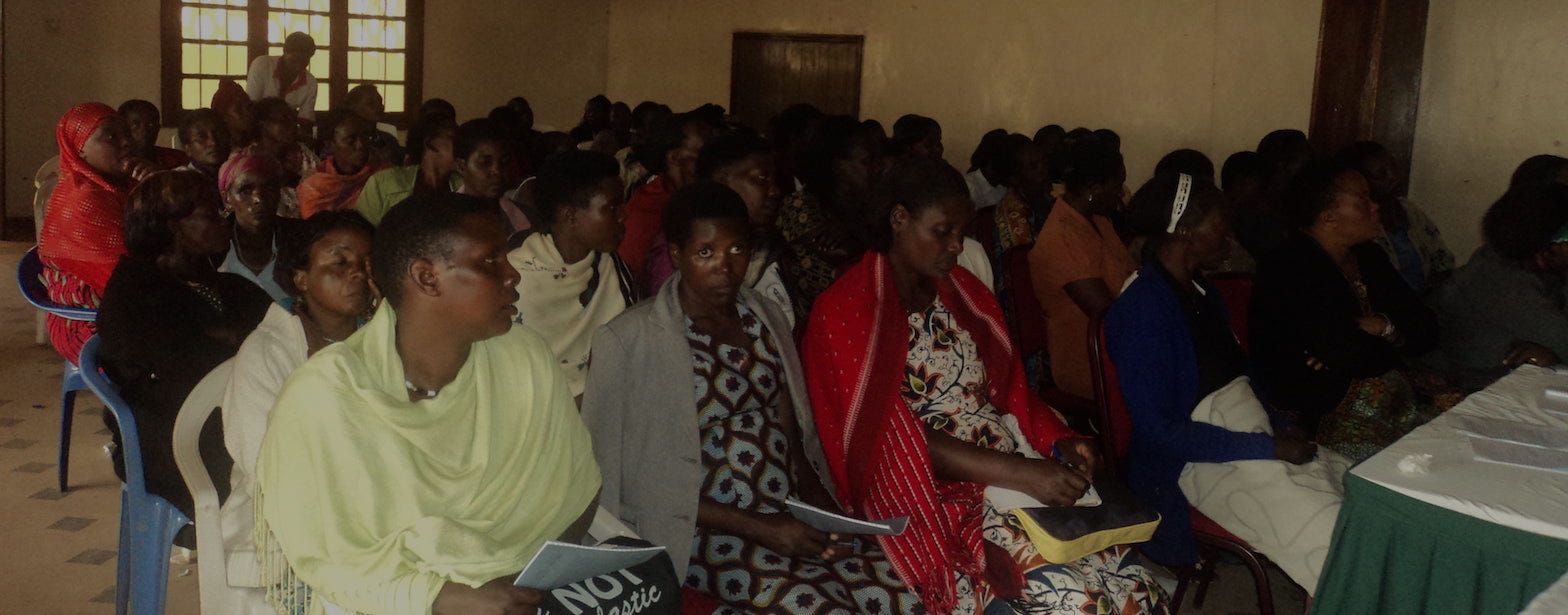
NAREGONET is working to inspire women and women’s movements and developing strategies to increase women’s equal participation in extractives management. NAREGONET is a key player in the resource governance movement. NAREGONET is implementing actions that are playing a key role in increasing women’s participation in..
In Uganda, there are still gaps in the policies for addressing the relationships between gender and natural resources. The 2030 Agenda emphasizes the need for gender mainstreaming, with nine Sustainable Development Goals (SDGs) and a total of 29 indicators that can be broken down by sex; many of them, however, are not yet measurable (United Nations, 2015).